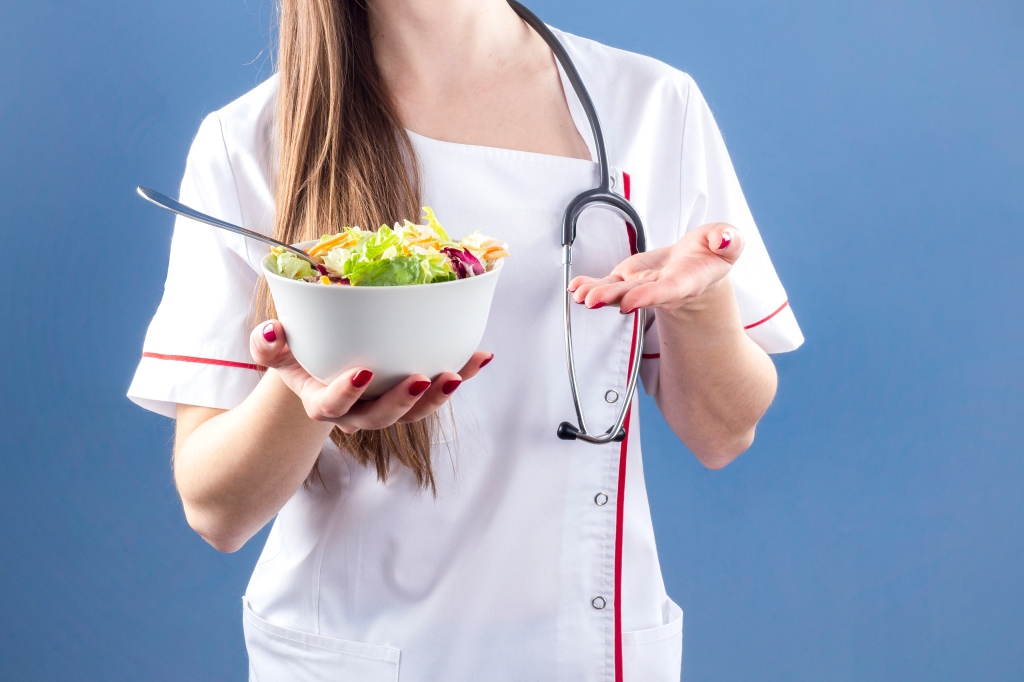
What to eat for glowing younger looking skin

Everyone aspires to have radiant, beautiful skin and will go to great lengths to attain it. However, there are a number of variables that impede your skin from obtaining the necessary levels of skin perfection, including the searing sun, stress (both mental and physiological), hormones, and even ordinary pollution. You might try a million different means and methods to achieve smooth and supple skin, especially one with a naturally dazzling shine, but none of them will work unless and until you begin eating healthy. The road to a person’s heart, like the way to lovely skin, is through the stomach! 

Your eating habits have an impact on your entire health, and your skin is no exception, possibly even more so. A healthy stomach, bowel movement, intestines, and liver are essential for clear, blemish-free skin, as well as a variety of other health benefits. You must indulge in a healthy skin diet to achieve this. In order to have beautiful skin, you must first adhere to a diet. 

·       Walnuts:

Nuts are nutrient-dense snacks that can be consumed in little amounts. Walnuts are high in vitamin E, vitamin C, zinc, and selenium, which all help to maintain healthy skin. They have a higher concentration of omega-3 and omega-6 fatty acids than other nuts, making them a very good choice for skin health.

·       Spinach:

Spinach is high in vitamins A, C, and K, which assist to brighten your complexion and repair scars and dark spots. Its antioxidant content combats all skin problems such as irritation and acne, and it effectively cleanses your body from the inside. It helps to prevent indications of ageing and also functions as a natural sunscreen!

·       Carrots:

Vitamin A, which is abundant in carrots, protects against sunburns, cell death, and wrinkles. Vitamin A also gives your skin a healthy, warm shine. Vitamin A is obtained from provitamin A, which can be found in fruits, vegetables, and other plant-based foods. To protect your skin from the sun, your body converts beta-carotene to vitamin A.

·       Dark Chocolate:

Cocoa powder is high in antioxidants, and that is why dark chocolate is good for your skin. Dietician suggests that these antioxidants moisturize and smooth your skin, making it more resistant to sunburn and improving blood circulation. Choose a bar of dark chocolate with 70% cocoa content for more antioxidants and less added sugar.

·       Avocado:

Avocados are high in healthy fats that keep your skin hydrated and firm. They also include vitamin C and E, two essential nutrients that your body requires to maintain healthy skin and fight the production of free radicals. Dietician also say that avocados are also high in biotin, a B vitamin that some experts feel can aid in the maintenance of good skin and hair. 

Here are some foods suggested by Siddhi Deshpande-Takalkar, best diet consultant in Pune, that help you to get glowing and younger looking skin. Contact Nutriworks for more diet tips for different types of diets including a healthy skin diet. 

Increase Haemoglobin Naturally

Low haemoglobin called anemia is a most common condition in majority of population especially in females. Recently I volunteered a blood donation camp in which I observed many healthy people who were eager to donate blood were unfit for blood donation just because of a low haemoglobin count. Low haemoglobin levels without any underlying conditions like in pregnancy, liver or kidney diseases, absorptive disorders, thalassemia, cancers, bleeding wounds etc. can be usually due to improper eating habits, low nutritional content of foods, inadequate nutrient intake or improper cooking methods which can lead to deficiency of nutrients like iron, folic acid, vitamin B12, vitamin C and proteins together responsible for low levels of haemoglobin.

When you have blood haemoglobin levels below 12.5g% it is termed as anemia. Adequate haemoglobin is required for transport of oxygen to your body cells. It also transports carbon-dioxide to lungs to be exhaled. Our body uses dynamic mechanism to maintain its haemoglobin. It tries to maintain normal haemoglobin by using these stores of nutrients like iron. Once the stores are depleted, slowly the haemoglobin levels start decreasing below normal showing various symptoms. Low haemoglobin gives you general fatigue, paleness, weakness, pale skin, shortness of breath, dizziness, cold extremities (hand and feet), tingling sensation in legs, fast or irregular heartbeat, cravings to items that are not foods (mud, clay, chalk etc.), brittle nails, headaches, etc.

Donating blood for a social cause is a good initiative for which we should keep ourselves fit not only from health point of view but also to maintain your haemoglobin count. To maintain haemoglobin throughout the year we need to have a balanced diet rich in various nutrients. Haemoglobin is made up of heme and globin which requires iron, vitamin C, folic acid, vitamin B12 and proteins. To improve your haemoglobin, you need all these nutrients in your diet in correct amount. Iron deficiency anemia is most common and is seen in majority of females than males.

Improve your iron intake by increasing following iron rich foods in your diet:

  • Non – veg : Meat and fish
  • Eggs
  • Pulses and Beans, peas and lentils.
  • Nuts – Walnuts, Roasted almonds, peanuts
  • Seeds – Garden cress (Aliv seeds), Pumpkin, Sesame and flax seeds
  • Whole grains
  • Most dark green leafy vegetables – Spinach, Shepu, Cauliflower leaves, Broccoli, Rajgeera.
  • Iron fortified breakfast cereals and breads

Usually the vegetarian varieties contain non-heme iron and require vitamin C rich foods consumed along with iron rich foods for better absorption. These foods include:

  • Amla and Guava
  • Sweet lime, orange
  • Fermented products
  • Tomatoes, peppers, broccoli, peas
  • Green leafy vegetables

Diet should contain a considerable amount of good quality protein to improve your hemoglobin levels. They include:

  • Egg
  • Lean Chicken
  • Meat and Fish
  • Milk and milk products
  • Pulses
  • Legumes

If you have a anemia due to folic acid and vitamin b12 deficiency, you need to incorporate following foods in your diet.

  • Egg yolk
  • Curd
  • Spinach
  • Gingelly seeds
  • Sorrel (Ambat Chuka), Ladies finger, Cluster beans (Gavar), Tomatoes
  • Whole Wheat

Some Important Tips to improve your haemoglobin:

  • Avoid intake of tea and coffee along with meals to improve iron absorption.
  • Cook at least 1 to 2 dishes in cast iron pan to provide two to three times more iron content than the one cooked in any other pan.
  • Consume foods rich in vitamin C and iron together to improve absorption of iron.
  • Soak, Sprout and ferment foods to improve bioavailability of iron. It reduces amount of phytates and improves iron absorption.
  • Consume minimum of processed foods which lack iron. Consume plenty of natural foods to improve overall intake of nutrients.

Improve your haemoglobin levels… Maintain it all the time…

Take a balanced diet…

Maintain your nutrition and be fit for blood donation…

As one of the few Registered Dietitians in Pune, I feel that everyone should focus on staying healthy, instead of later finding ways to fight off the diseases. I have been working as a diet consultant in Pune and I find that even common illnesses take weeks and months to get better. That’s why, “prevention is better than cure!” If you are looking for a nutritionist in Pune for such preventive diets, Nutriworks is the right place for you.

Improve brainpower of your kids with these diet tips

The kind of stress and competition that our kids face is increasing and getting tougher day after day. It is important that we prepare our kids and make them strong and capable enough to face it.

One way to do that is helping them to focus, concentrate and excel at what they do by boosting their brain power. A proper diet and adequate nutrients are extremely essential in brain health. Here are some tips to make sure that your kids eat healthy-

  • Include whole grains

Like everything else in our body, the brain requires energy (glucose) to function well. Your child can concentrate and focus better when there is a steady and adequate supply of energy. Whole grains like wheat, brown rice, jowar, bajra, etc. help to release glucose slowly in the body, thereby ensuring a sustained supply.

  • Don’t forget the Proteins

Proteins are the building blocks of our body. They are essential for the formation of neurotransmitters which send messages across the brain and nervous system. According to research, the healthiest sources of proteins include lean meats, fish, poultry, dairy and plant based sources such as nuts and legumes.

Animal sources of protein are also rich in B complex vitamins such as thiamin, niacin, B6, B12 and folic acid and choline. These vitamins, especially choline has been linked with boosting memory. If you are vegetarian or vegan, look for fortified foods or opt for supplements.

  • Fats are good

Did you know that almost 70% of our brain is made of fat? It is but natural then that it requires fat for adequate functioning. However, the type and quantity are important. Omega-3 fatty acids such as DHA, are essential components for learning and memory. They are found in fatty fish such as salmon and sardines. Plant sources include flaxseeds, chia seeds, almonds, walnuts, etc.

Saturated fat such as ghee, coconut oil, full fat dairy products are also essential.

However, it is important to remember that trans-fat, hydrogenated fat, found in deep fried, bakery and processed foods are harmful, since they cause oxidation and damage to the cells.

  • Include fruits and veggies

Most Indian parents complain that their kids don’t like vegetables or they hate eating fruits. However, apart from being high in fibre, this food group contains loads of antioxidants which are beneficial for preventing oxidative stress, thereby preventing fatigue, drowsiness, irritability, etc.

Make interesting recipes and get them interested in what they are eating.

  • Ensure that they are hydrated well

Dehydration can cause a decrease in brain function by affecting the concentration, causing irritability and a generalised lethargy. Avoid this by making sure that they have enough fluids throughout the day. Water, smoothies, milkshakes, soups will provide adequate hydration. Of course, avoid sugary, packaged, caffeinated beverages, since they do more harm than good.

  • Make them go out to play

Exercise in any form helps to boost the brain function by releasing substances that boost memory, cognitive function and help to process information effectively. It also increases the heart rate, which pumps more oxygen to the brain.

So let them run, skip, hop, jump, play cricket, football-whatever they wish!

A balanced diet with ample play time and less of screen time is beneficial in improving your child’s cognitive development. ‘Practice what you preach’! Incorporating healthy habits yourself will provide a good example to your children and make the implementation easier. Happy eating!

Siddhi Takalkar is a child nutrition specialist in Pune. She is also the founder of NutriWorks and is a Registered Dietitian in Kothrud, Pune with a Masters in Nutrition and Dietetics. She has a vast experience in advising diets for various age groups. She is the best diet consultant for all your Nutritional needs.

Super foods for sankrant

Makar sankranti is a festival dedicated to the Sun God. It falls in January and is the beginning of the Sun’s journey into the Makar (Capricorn) sign. It is celebrated all over India and is known by various names such as lohri, bihu, pongal, etc. It celebrates the harvest season and as is the case with all celebrations, food forms a central part of it!

The beauty of this festival is that it is celebrated with food that has various benefits in the winter season. Some of these super foods include-

  1. Til-also known as gingelly seeds. These are basically oil seeds which provide 563 kilocalories, 18.3 gm protein, 43.3 gm fat per 100 gm of seeds. They are rich in various B complex vitamins and minerals such as copper, magnesium, calcium and zinc. Various studies have shown that til seeds provide relief in Rheumatoid arthritis, help in respiratory disorders, promote bone health, improve hair and skin and are a great stress buster.
  • Jaggery-you might think of the humble jaggery as just a sweetener, but it is a lot more than that. It is rich in antioxidants and minerals like selenium and zinc, which help in scavenging the free radicals in the body. It aids in digestion by activating the various digestive enzymes in the stomach. It can help alleviate the symptoms of PMS in women.
  • Groundnuts-are also oil seeds. They provide 567 kilocalories, 25.3 gm of protein and 40.1 gm of fat per 100 gm of seeds. They also contain magnesium, niacin, copper, oleic acid, and antioxidants such as resveratrol. Eating peanuts in optimum quantities can help in weight loss, healthy heart and prevention of gallstones.
  • Ghee-ghee is a powerhouse of nutrients. It provides energy and contains various minerals and fat soluble vitamins like A, D, E and K. It has anti-inflammatory properties, helps in keeping the heart healthy and also helps to flush out toxins from the body.
  • Seasonal vegetables-contain more nutrients, antioxidants and nutrients which are essential for the body. Seasonal vegetables are allowed to develop fully on the plant itself, thereby enhancing their nutrient value.
  • Leafy vegetables-these are grown abundantly in winters and have various health benefits. They are a great source of antioxidants, minerals and fibre. They help to improve the metabolism, relieve constipation, and have cancer-preventing agents like lutein and zeaxanthin.
  • Bajra-it comes from the family of millets. It contains 361 kilocalories, 12 gm protein and 5 gm fat per 100 gm of the millet. Additionally, it contains complex carbohydrates, resistant starch, magnesium, polyphenols like flavonoids and omega 3 fatty acids. It is beneficial for gut health, diabetes, healthy heart and helps protect against ageing, cancer and metabolic disorders.

Indian festival foods are often those which are grown in abundance during that time and Sankrant foods are no exception. Enjoy these foods, but be aware of the quantity and portion sizes, because ultimately, moderation is the key!

Siddhi Takalkar-founder of NutriWorks is a Registered Dietitian in Pune with a Masters in Nutrition and Dietetics. She has a vast experience in advising diets for various health conditions and is the best Dietitian and Nutritionist in Pune for all your Nutritional needs.

Top 10 diabetic diet tips

Diabetic Diet Tips

14th November has been recognised as the ‘World Diabetes Day’. The incidence of diabetes is increasing with the rise of sedentary lifestyle. Dietary modifications play an important role in the management of diabetes. Here are some tips for you-

  1. Consume whole grains-whole grains are the ones which have all the 3 components namely germ, endosperm and bran intact. The germ contains starch, endosperm contains vitamins and other essential nutrients and the bran is rich in fiber. Hence, it is more nutritious than refined grains which do not contain bran. Examples of whole grains are whole wheat, brown rice, jowar, bajra etc.
  • Include more fiber in the diet-in addition to whole grains, fiber rich foods include fruits and vegetables. Diabetes friendly fruits include oranges, sweet lime, papaya, pineapple, apple, pear, jamun etc. Vegetables like green leafy vegetables, gourds, beans, etc. have good fiber content.
  • Include healthy fats in the right quantity-studies have shown that restricting the intake of saturated fat and dietary cholesterol is highly beneficial for people with diabetes. Vegetable oils like sunflower, rice bran, groundnut, safflower are better for diabetics with hyperlipidemia. Of course, the daily intake of total fat should not be more than 3-4 tsp/day. It is advisable to keep changing the type of oil every 3-4 months for maximum benefits.
  • Understand terms like glycemic index, carbohydrates etc.-as a diabetic, it is important to understand terms like glycemic index, glycemic load, carbohydrates, carb counting etc., so that it is easier to follow and maintain the diet prescribed by your dietitian.
  • Avoid sweet in any form-sugar, jaggery, honey provide the same number of calories to the body, that is-4 kcal/gm. Hence, thinking that only refined sugar should be avoided, but jaggery, brown sugar and honey can be consumed by diabetics is not right. All these sweeteners need to be avoided for optimal glucose control.
  • Avoid processed foods-processed food contain a lot of preservatives, including sodium, which can put unnecessary pressure on the kidneys. Fluctuating sugar levels also affect the kidneys, hence it is best to avoid any kind of processed food, including processed meat and meat products.
  • Include functional foods-foods like flax seeds, garlic, jamun, methi seeds, bitter gourd, isabgol etc. are functional foods, since they provide various health benefits like regularising blood sugar levels, preventing or treating hyperlipidemia, cardiac protection, to name a few.
  • Engage in regular physical activity-regular physical activity is essential for the management of blood sugars and also overall health of people with diabetes. Aerobic, strength training, flexibility and balance exercises are beneficial. The type and duration of exercise varies depending on various factors such as weight, age, health conditions, etc.
  • Regularise your meal time-it is important to have meals at regular time and intervals. This ensures optimal blood sugar levels, helps in weight loss and improves the overall health.
  1. Limit alcohol intake-while occasional alcohol consumption may not affect the blood sugar levels, regular consumption is known to hamper blood sugar control and also contributes to the development of neuropathy and retinopathy in diabetics. Hence it is best to avoid alcohol for optimal glucose control.

Apart from this, it is extremely important to check your blood sugars, lipid profile and other relevant blood parameters routinely. This can help your dietitian and doctor to make the necessary modifications in your diet and medications.

Nutriworks is your go-to place for diabetic diet consultation in Pune. Our founder-Siddhi Takalkar Deshpande is a Registered Dietitian and a Certified DiabetesEducator and has been working as a diabetic diet consultant in Pune.

Why does one need a Personal Dietitian?

Why does one need a Personal Dietitian?

Why does one need a Personal Dietitian?

We eat and we eat and we eat. But are we eating the right components? We eat what are grandparents, parents and friends eat do you think that is the ideal situation? Our body gains nutrition from what we consume daily and the necessity of nutrients varies from person to person. A common man is not well informed about the various nutrients his body needs and tends to overlook the situation and does not understand the importance of consumption of the right nutrients.

And this is exactly why Nutritionists exist. A Nutritionist is trained personnel who are capable to understand every unique body and allot the necessary nutrients accordingly. Nutritionist curate personalized nutrition plans for the clients depending upon their age, gender, height, weight, lifestyle, allergies and other aspects. Customization is essential to gain the optimum health and weight status.

The diet plan made by the diet consultant is made by keeping in mind factors such as culture, religion, staple food. Clients have different physiological conditions. For.eg. a pregnant lady requires different nutrients than a lady who is not pregnant.

Other factors such as personal physical health, frequency of exercise and fitness matters while deciding the personal nutrition plan. The diet consultant puts together many factors and then decides the amount and type of nutrient that each client requires. For.eg the diet for a sportsman is completely different than that of an ordinary human. The nutritionist will make sure that the meals are filled with energy and protein giving ingredients.

Factors like money, time also play major role in the level of nutrients we consume via our meals. If the income band is low, people usually settle to eat what fits in their budget and nutritious food takes a back seat. If an individual is always running late and has no time to cook proper meals, he or she ends up eating something quick and unhealthy. For.eg Many youngsters consume maggi as a meal when they are late or are extremely exhausted and don’t want to cook.

This when done once in a blue moon is acceptable but when becomes a routine is threatening to the body in the long term.

Some individuals have higher or lower tendency to absorb certain nutrients. Such people require the guidance of a nutritionist to incorporate similar equivalent nutrient giving via other ingredients which the client is adaptable too. For.eg. for those who are lactose or gluten intolerant the dietician has to be very careful while making meal plans.

The Nutritionist has to make sure that the following points are considered and covered while making a personalized diet plan:

  • The meals must satisfy the daily nutrients demand of the body.
  • Consider economic status of the client.
  • Understand the daily habits of the client.
  • Personal likes and dislikes.
  • Food availability

A generic Diet chart is not suitable for everybody. As each individual is different so is his need of nutrients. If you work towards nutrition today it will work for you tomorrow.